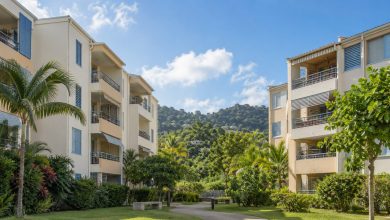

Wildlife and plant species are not the only ones affected by the presence of large quantities of Sargassum. People living near coastlines affected by this phenomenon also face various hardships.
Dangers Posed by Sargassum, Linked to Its Degradation
When in the ocean, Sargassum seaweed is harmless to humans (2). It does not cause itching or allergies, and it is not poisonous (3).
However, when large numbers of them become trapped during major stranding events—which deprives them of oxygen—anaerobic decomposition (without oxygen) occurs, resulting in the release of gases, primarily hydrogen sulfide (H2S) (4). The sargassum then gives off a smell like rotten eggs (2).

Exhibition at H2S
H2S is a toxic gas whose toxicity increases with the amount inhaled and the duration of exposure (4). It enters the body primarily through the respiratory tract. For vulnerable individuals, the presence of H2S may cause respiratory problems (1).
With regard to acute exposure, the effects on humans have been studied (4). These include various types of irritation (of the eyes and respiratory tract), followed by neurological symptoms such as headaches, dizziness, and nausea, which can lead to cardiac problems (1).

However, the effects of chronic exposure are much less well understood. A few non-exhaustive studies have assessed the effects on residents living near facilities that emit H₂S. These effects include respiratory and/or neurological symptoms (1).
In any case, even though the data do not allow for a precise diagnosis of chronic exposure to H2S, an increase in the number of medical consultations has been reported during previous massive influxes of Sargassum along the coast (1).
An olfactory discomfort that should not be underestimated
The initial effects of H emissions2They affect the sense of smell. The resulting rotten-egg odor is quickly detected, even when the gas is present in low concentrations. This foul odor seeps into homes and becomes increasingly repulsive over time (4).
Deterioration of property and living conditions
In addition to exposure risks, residents of coastal areas—where massive strandings occur—are affected by damage to certain electrical and electronic devices. Furthermore, some building materials, such as tile and paint, may become discolored. Buildings damaged in this way see their market value decrease, which for some owners can be a source of discouragement and a decline in mental health (4).
Mariska Desmarquis
References
1- French National Agency for Food, Environmental and Occupational Health & Safety (ANSES), 2017. Exposure to fumes from decomposing Sargassum seaweed in the French West Indies and French Guiana. [Online PDF]: https://www.anses.fr/fr/system/files/AIR2015SA0225Ra.pdf Page accessed on March 27, 2018.
2- Caribbean Hotel & Tourism Association, 2016. Sargassum: A Practical Guide for the Caribbean. Translated from English by Françoise Miranne-Parole and Nady Vial-Cabrera, Director of International Cooperation. DEAL Guadeloupe. [Online PDF]: http://www.guadeloupe.developpement-durable.gouv.fr/IMG/pdf/CAST_VF_pdf.pdf Page accessed on March 27, 2018.
3- DEAL Guadeloupe 2014, Sargassum Report [Online PDF]: http://www.ifrecor.com/documents/2014-note-sargasses-fmazeas-deal-unite-biodiversite-marine-maj-5fev2015.pdf Page accessed on March 27, 2018.
4- FLORENNE, T. and et al., 2016. The Phenomenon of Sargassum Drift in the Caribbean and French Guiana. French Government. [Online PDF]: http://cgedd.documentation.developpement-durable.gouv.fr/documents/cgedd/010345-01_rapport.pdf Page accessed on March 27, 2018.