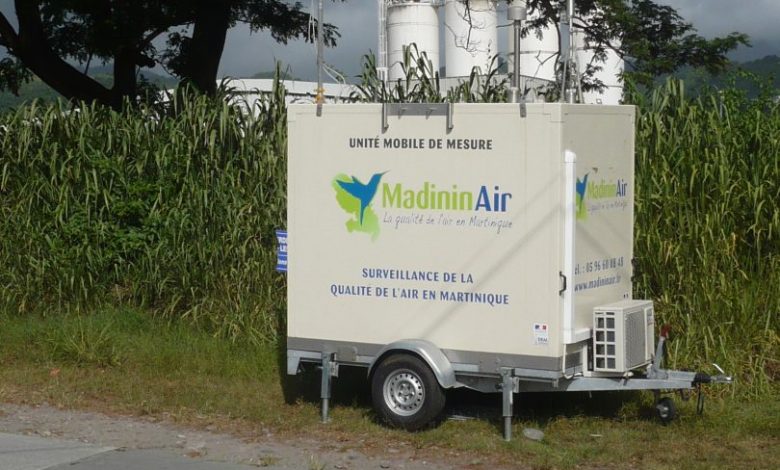


After a few weeks of respite, the sand haze has returned. On Monday, November 20, the alert level was triggered and rose to red. Air quality is very poor, with a score of 9 on the ATMO index. This dust, composed of fine particles, used to occur periodically (April through September). The year 2017 has seen more episodes of sand haze than any previous year. These episodes are also affecting parts of Europe and far more regions than people realize. These recurring episodes raise questions about their impact on the environment and their long-term effects.
"The Sand Mist" No Longer Has Seasons
Martinique is regularly affected by the natural phenomenon known as «sand haze.» This sand comes primarily from the Sahara Desert and carries fine particles that can have an impact on human health.
In fact, during a sandstorm, there is an increase in clay minerals, carbonates, and quartz in the air. Iron, titanium, and vanadium are also components of Saharan sand.
Estimates of global dust emissions range from 1,000 to 3,000 million metric tons per year, with the majority coming from the Sahara Desert (500 to 1,000 million metric tons per year).

Dust Transport in the Atmosphere
Dust emissions generally varied by season:
- From January through March, business picks up.
- Production peaks between April and June.
- From June through September, some areas are sources of dust, while others are relatively inactive.
- October through December: very low dust production.
What are the environmental impacts?
These events can have an impact on the environment. Dust acts as a shield, preventing sunlight from reaching the surface. These large amounts of dust can keep sea surface temperatures up to 1° below average. This is also the case in the main region where cyclones form, stretching from the coast of Africa to the Caribbean. This effect provides cyclones with less energy to form and develop. The drop in temperature is one of the primary consequences of dust storms.
Dust alters cloud formation and accelerates cloud production. It could potentially contribute to the formation and intensification of cyclones. It can also have the opposite effect, making hurricane formation nearly impossible due to the cooling of sea surface temperatures. In this specific case, the sand haze would need to cause clouds to form at the lowest possible altitude over the tropical Atlantic, which would reduce the amount of sunlight reaching the ocean.
This sand haze also affects marine productivity and contributes to accelerated desertification. As for human activity, it is believed to cause disruptions to air travel and accidents, not to mention its many adverse health effects.
There are very few studies on the environmental impact that this dust can have—just a few observations. One thing is certain: it can—and has already—affected cyclonic activity.
Days with blue skies are becoming increasingly rare. Added to this phenomenon are vehicle pollution and pollution caused by Sargassum. Some doctors are raising the issue of wearing masks, as is already the case in China. For the Caribbean, this would involve larger masks that protect against microparticles. Sand haze—the chemical composition of this phenomenon is still being studied, which should help support health studies.
Bianca
Sources: French Institute for Public Health Surveillance, Madininair, Skiron, Météo France