Twelve out of 627 water samples contained CVM between 2020 and 2025. All were below the limit of 0.50 micrograms per liter.
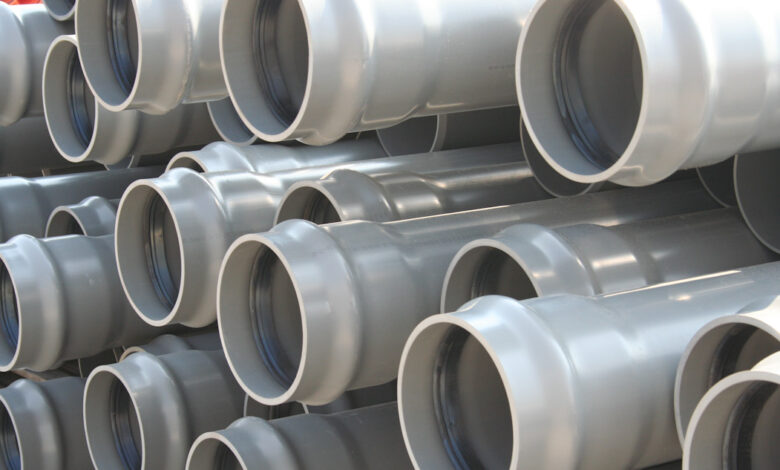
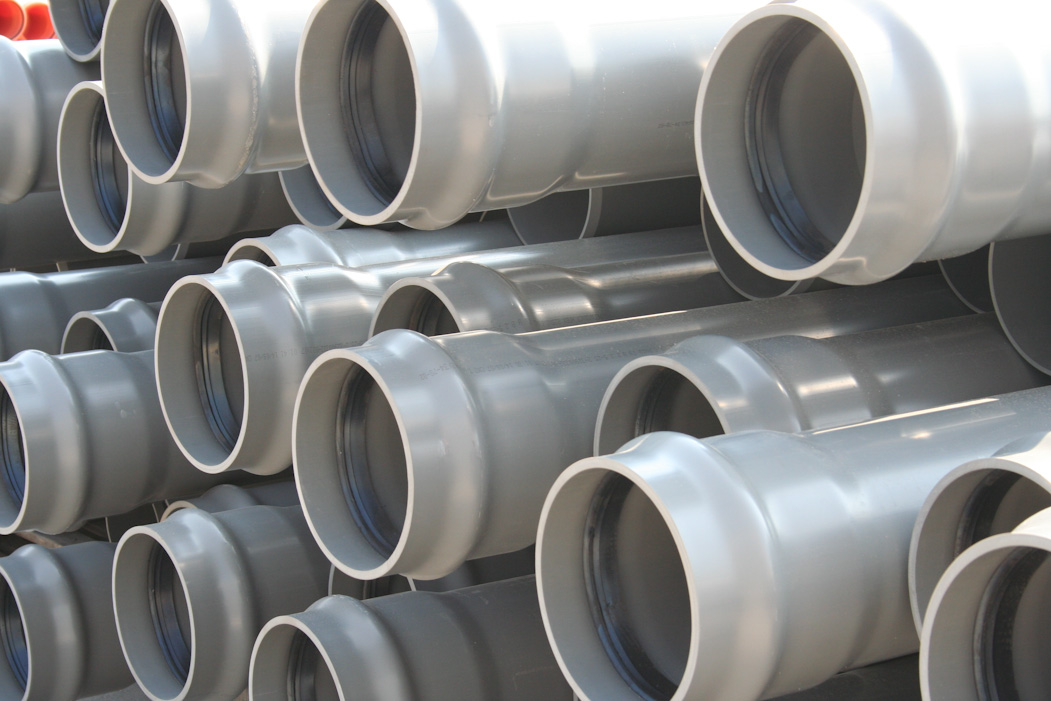
PVC pipes still run beneath the roads of Martinique, some of which may release a carcinogenic gas—vinyl chloride monomer (VCM)—into the water. The Regional Health Agency (ARS) has been monitoring this for years and has not detected any levels exceeding the limit. It attributes this to the short amount of time the water spends in the pipes. The replacement of the pipeline networks should take care of the rest.
What Old Pipes Release
VCM is used to manufacture PVC. The International Agency for Research on Cancer classifies it as a known human carcinogen, a classification based on occupational exposure, inhalation, and high doses.
PVC pipes installed before 1980 may contain significantly more of it than newer ones. VCM leaches into the water especially when it sits in the pipe for a long time, when the water temperature exceeds 15 °C, and at the end of the distribution network, where water usage is low. This is according to the Nouvelle-Aquitaine Regional Health Agency (ARS), where the problem affects rural areas.
As for tap water, the risk remains theoretical, and no link has been established to date, according to the same agency. Remedies range from flushing the system—which refreshes the water—to replacing the pipes.
The issue has reached the National Assembly: On October 6, 2026, Emeline Rey-Rinchet, the representative for Lot-et-Garonne, submitted Written Question No. 18699 to the Ministry of Health regarding the presence of CVM in water systems, the replacement of these pipes, and assistance for local governments responsible for them. She has not yet received a response.
In Martinique, water doesn't linger
In response to a query from Antilla, the Martinique Regional Health Agency (ARS) replied via a letter from its director general, Yves Servant, on October 29, 2026. Of the 627 tests conducted on treated or distributed water between 2020 and 2025, 615 found no traces of CVM. The remaining 12 contained an average of 0.15 micrograms per liter, with a maximum of 0.36.
For the agency, this situation is « likely related to the generally short dwell times observed in distribution networks »on the island. The water flows fast enough that it doesn't become murky.".
Small Networks in the North Under Surveillance
Eight out of ten of these samples came from medium-sized networks in the CAP Nord region. That is where the phenomenon is most prevalent, though it does not cross the boundary.
Water quality monitoring is the responsibility of the ARS, in accordance with the Public Health Code. The CVM is tested for « on a regular basis across all distribution networks serving the population of Martinique »: 1,110 tests from 2020 to 2025—about 200 per year—at 185 monitoring sites, including 116 at residents’ taps. The TERANA Drôme laboratory, which conducts these tests, has been measuring VCM at concentrations as low as 0.05 micrograms per liter since 2022; overall, concentrations remain below this threshold.
No instances of the 0.50 microgram per liter limit being exceeded were observed during the period. The ARS concludes that « Based on current knowledge, the presence of CVM in the drinking water supplied in Martinique does not pose a public health risk. ».
Focus on Network Modernization
The most sustainable solution is still to replace the pipes. The Martinique Regional Health Agency (ARS) states that « Numerous network renewal projects are planned as part of the EPCI progress contracts ». These projects, led by intermunicipal associations, should, in her view, further reduce any remaining concentrations of VOCs.
Philippe PIED