
When you’re just starting out, it’s not always easy to make the best choice. Whether it’s a business, a cooperative, or a nonprofit: there are many options, and the right choice depends on numerous factors, such as tax implications, your organization’s purpose, and the planned activities. To help you better understand your options and make an informed decision, CRESS is hosting another group session this Friday.
A wide variety of legal structures
The CRESS of Martinique is organizing a new group session this Friday, March 27, starting at 8:30 a.m., with the goal of helping professionals and project leaders in the social and solidarity economy choose the legal structure best suited to their business.
This group session is part of the «ESSor» program, an initiative aimed at accelerating the social and solidarity economy, funded by the European Union’s ERDF/ESF+ fund, as well as by the Territorial Collectivity and the Prefecture of Martinique. Led by Jeanne Ozier-Lafontaine, a support specialist at CRESS Martinique, the session aims to address the issue of choosing a legal structure, in response to the morning’s topic: «How do I choose the right legal structure for my social and solidarity economy project?».
Making Choices in the Face of Uncertainty
It is not always easy to choose the right legal structure, as this depends on a wide range of factors; a poor choice can prove disastrous and have serious consequences for the organization’s operations and long-term viability. Fortunately, being part of the social and solidarity economy sector means you can rely on organizations like CRESS to help you make the best decisions.
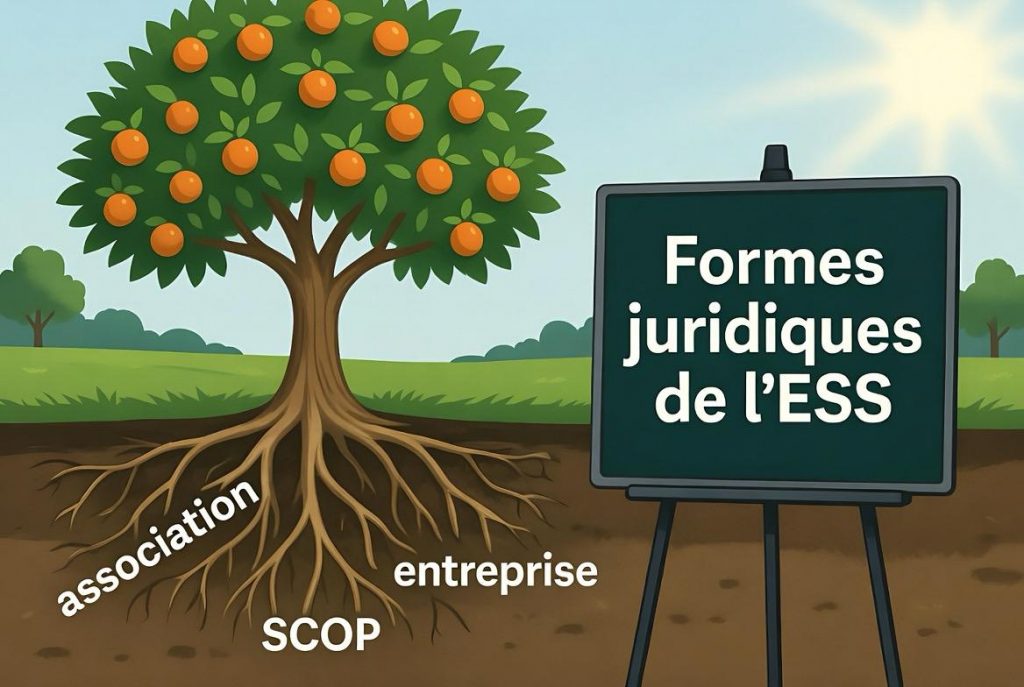
CRESS announces that the group session will aim to «learn about the various legal forms of the Social and Solidarity Economy,» to «understand their specific characteristics ,» and to «understand the key factors involved in choosing the legal structure best suited to [one’s] project.».
Drawing on a theoretical and legal framework, CRESS will seek to help professionals and project leaders make informed decisions by reducing uncertainty and maximizing the likelihood of a successful project. «This session is an opportunity to better structure your project, make informed legal decisions, and ensure the successful development of your initiative in the social and solidarity economy,» CRESS emphasizes in a social media post.
To participate in the event, CRESS requires prior registration using this form: https://framaforms.org/cress-martinique-inscription-session-collective-comment-choisir-la-forme-juridique-adaptee-a-mon