Depuis plus de 20 ans, l’association Entreprises & Environnement œuvre à sensibiliser les martiniquais aux enjeux de l’environnement.
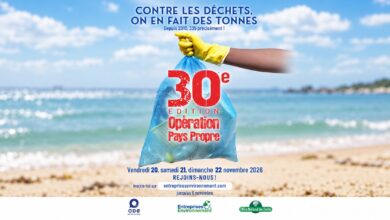
Elle a organisé ce week-end la 15ème édition de l’opération Pays Propre. Durant 3 jours une vingtaine de sites et de plages dans toute la Martinique ont été nettoyés par 700 personnes dont 6 établissements scolaires, 8 entreprises et 9 associations. L’objectif de cette action est de sensibiliser à la réduction de déchets et à leur impact environnemental et touristique pour la Martinique.
Les enfants au coeur de cette 15ème édition
L’opération a été lancée vendredi 20 avril 2018 par les élèves de la maternelle de Fond Fond Lahaye à Schoelcher. En effet, accompagnés de leurs enseignants et parents, ils ont participés au nettoyage de la plage située à proximité de leur école.

Parmi eux Ethan, 5 ans et sa maman qui ont déjà eu l’occasion de participer l’année dernière,”j’ai ramassé pleins de choses, des bouteilles, des batons de bois, on met tout dans le sac bouteille. Quand je vais à plage, je fais attention de ne pas salir.”
Un bon moyen de transmettre aux générations futures les bons gestes et de leur apprendre l’éducation à l’environnement.
Many partners have joined the effort
Plusieurs entreprises de Martinique ont financé cette opération. Une participation de 15€ par salarié était demandé à chaque entreprise. Ce qui a permis de financer les kits de ramassage : une paire de gants, une casquette et un t-shirt pour chaque participant.
In the field, participants are provided with water and basic food supplies by various partners.
L’association a pu compter également sur le soutien de nombreuses communes : Sainte-Anne, le François, le Robert, le Vauclin, Sainte-Marie, Trinité, Le Diamant et Saint-Pierre.
Lors des 14 éditions précédentes, ce sont 180 tonnes de déchets qui ont été ramassées avec la collaboration de 186 entreprises et 5 900 bénévoles.
Une belle manifestation qui donne l’exemple en incitant chacun à faire sa part au quotidien, pour préserver notre environnement.
Kaylan FAGOUR