Martinique's Biodiversity Under Threat is a major issue today. Our island is home to endemic forests, coral reefs, and species found nowhere else in the world. However, this living heritage faces multiple pressures. Invasive species and environmental changes pose major challenges to its survival.
One of the wealthiest islands in the Caribbean
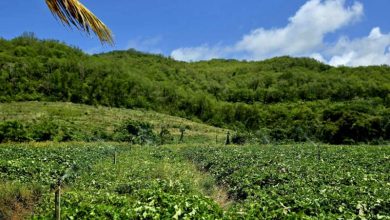
Martinique boasts exceptional biodiversity within an area of just 1,128 km². In fact, few islands can match this biological richness. The territory is home to 46 % of forests home to nearly 400 species of trees.
These forests are home to iconic endemic species. The Blue-headed Hummingbird and the Cliff Matoutou are notable examples. Mount Pelée and the Pitons du Carbet, listed as UNESCO World Heritage Site, illustrate this recognized universal value.
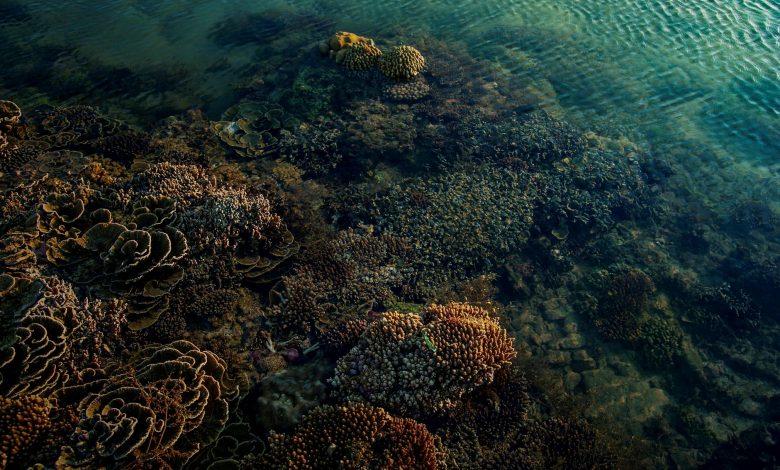
In addition, the Marine Nature Reserve (MNR) covers 48,900 km² of protected marine area. This area includes seagrass beds that are home to more than 65 species of fish. Green sea turtles, queen conch, and seahorses are also found there.
Vulnerable Native Species
The assessment conducted by the IUCN and the OFB reveals a concerning situation. Of the 427 native species assessed, nearly 15 % are threatened. In addition, 15 species have already gone extinct, and 56 others are near threatened.
Among the flora, several species are classified as critically endangered. The Canoe Vine and the Banga are among the most threatened. As for the fauna, the White-throated Mockingbird, an endemic bird, faces serious threats.
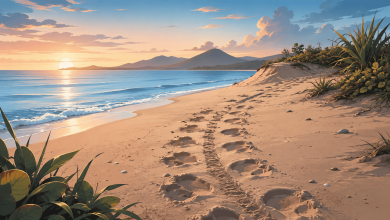
Added to these losses are the impacts of Sargassum. Since 2011, massive strandings have been damaging coastal seagrass beds. These events also interfere with sea turtle nesting.
Biological invasions: A Growing Challenge
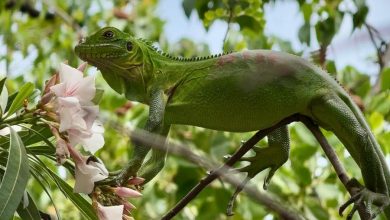
Species invasive alien species (IAS) pose a major threat. There are currently more than 60 invasive alien species in Martinique. The lionfish This is a particularly troubling example.
Introduced in the 1990s without any natural predators, the lionfish spread rapidly. It has become a serious threat to the marine ecosystem. Martinique Steps Up Its Fight Against Invasive Species to curb this expansion.
On land, the situation is just as critical. Pigs, goats, and feral cats are putting increasing pressure on the forests. These animals pose a particular threat to Mount Pelée and the Pitons du Carbet.
Fortunately, the project Refem offers solutions. Led by the OFB and the ONF through July 2026, the initiative aims to measure these impacts. This will enable the development of targeted conservation measures.
Stakeholders United to Protect Biodiversity in Martinique
In light of these challenges, several initiatives are shaping the local response. The Martinique Biodiversity Observatory (OMB) centralizes knowledge. It shares this information with the general public through its online platform.
The OFB oversees major scientific programs. It works on avifauna, aquatic environments, and the management of invasive species. In addition, the program TeMeUm funds small projects in support of biodiversity in overseas territories since February 2026.
Nevertheless, the pressures remain constant. Urbanization, climate change, and pollution continue to threaten the island. The overseas territories are among the first to experience the effects of climate change. That is why we must remain vigilant at all times.
Key Figures
- 15 % : Percentage of threatened native species in Martinique (427 assessed)
- 15 : animal species already extinct according to the IUCN Red List
- 60+ : Invasive Alien Species Identified
- 48,900 km² : Area of the Marine Nature Park