Preserving biodiversity is no longer just about protecting a few remarkable natural areas. In the face of climate change, land development, and the gradual degradation of ecosystems, local governments are now being called upon to integrate nature into their land-use planning policies. With this in mind, the 2026 Green Fund is introducing a new measure dedicated to biodiversity, designed to support municipalities in understanding, preserving, and restoring their natural heritage.
In particular, this measure provides funding for the creation of municipal biodiversity atlases as well as ecological restoration projects. The goal is twofold: to gain a better understanding of natural habitats in order to protect them more effectively, while strengthening local communities’ ability to cope with the effects of climate change.
Understanding Biodiversity Better to Preserve It More Effectively
Before we can protect a natural environment, we must first understand it. This is one of the main goals of the Municipal Biodiversity Atlases (ABC), which are among the initiatives supported by the Green Fund.
These atlases help identify the natural habitats, animal and plant species found in a given area, as well as the ecological corridors that ensure their functioning. They also provide local governments with a clearer understanding of the environmental issues that need to be incorporated into their land-use planning projects, urban planning documents, or public awareness campaigns.
The Green Fund’s guidelines provide for financial support of up to 250,000 euros per project for the creation of these atlases, which may take three to four years to complete.
Restore ecosystems rather than limit their degradation
The Green Fund is not limited to studies. It also supports projects aimed at restoring the functioning of ecosystems that have been degraded.
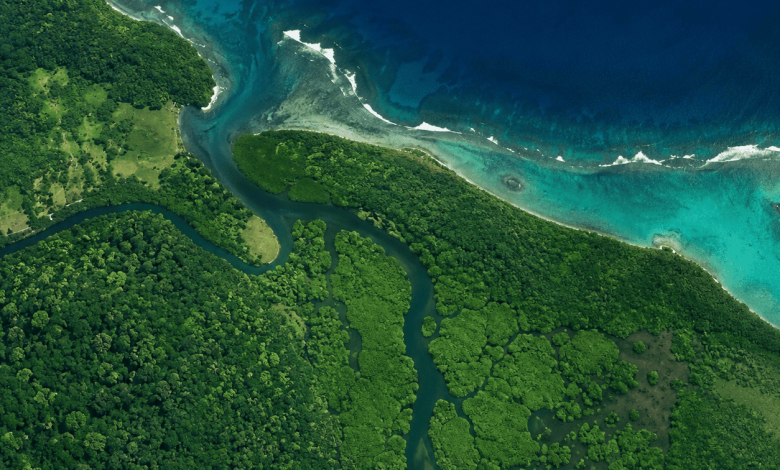
Nature restoration can take many forms: recreation of natural habitats, restoration of wetlands, rehabilitation of forest ecosystems, ecological engineering initiatives, and reduction of pressures on certain species and natural areas.
The goal is to restore ecosystems that can function sustainably, support rich biodiversity, and continue to provide the many services on which human societies depend.
These natural environments contribute, in particular, to regulating the water cycle, storing carbon, limiting soil erosion, and enhancing the quality of the landscape.
An issue that goes beyond nature conservation
Biodiversity is often viewed as an exclusively environmental issue. Yet it directly influences quality of life, public health, and regional resilience.
For example, healthy ecosystems can better absorb certain heavy rainstorms, limit soil erosion, preserve water resources, and provide cool, refreshing spaces in urban areas.
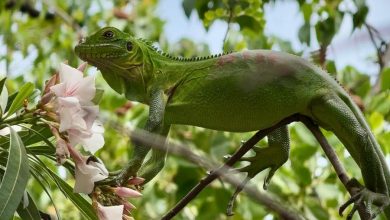
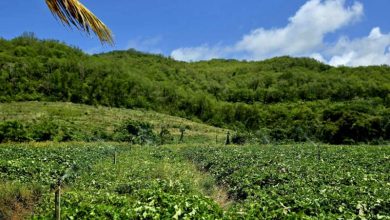
In an island territory like Martinique, where terrestrial and marine environments are home to a particularly rich but also fragile biodiversity, these issues take on special significance. Preserving ecosystems also means protecting the resources that support numerous human activities, whether in agriculture, fishing, tourism, or outdoor recreation.
A New Step in Adaptation Policies
By including a measure specifically dedicated to biodiversity, the Green Fund reflects a shift in public policy. Local governments are no longer merely encouraged to limit their impact on natural environments; they are now called upon to actively restore ecosystems when necessary.
For municipalities in Martinique, this new measure offers an opportunity to gain a better understanding of their natural heritage while taking concrete steps to restore nature. This approach addresses both the goals of biodiversity conservation and the region’s growing need to adapt to climate change.