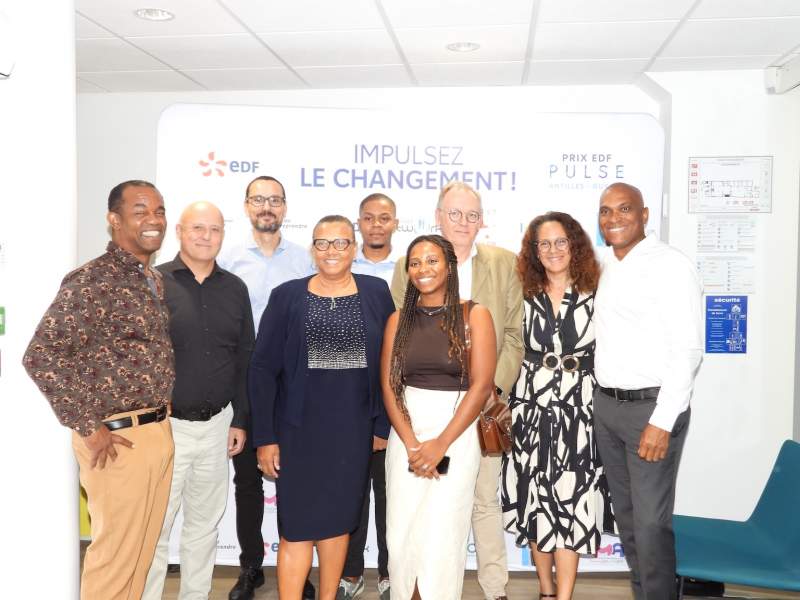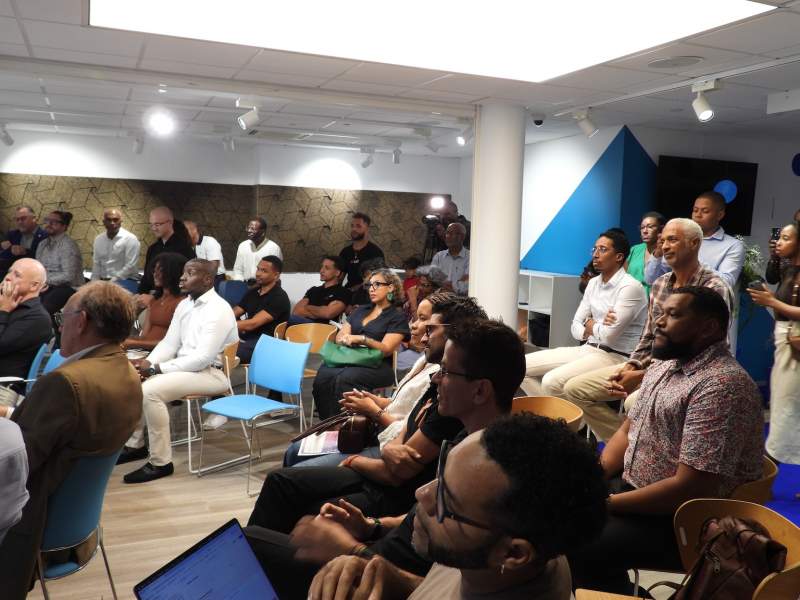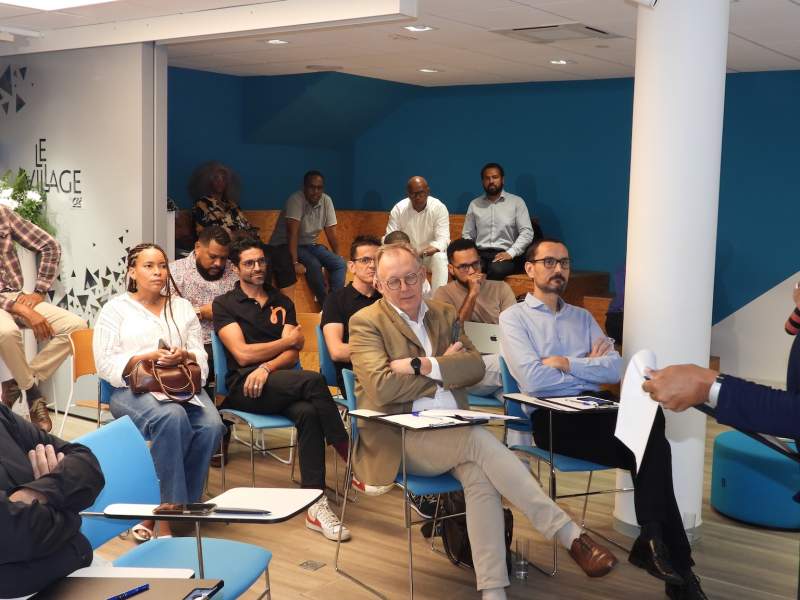
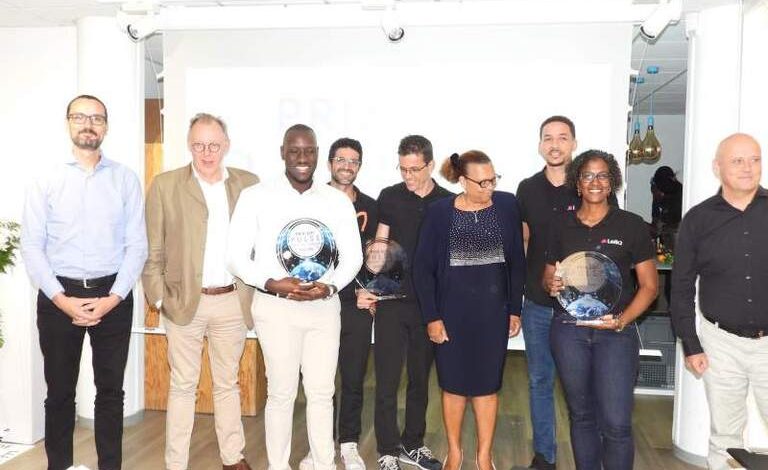
Gathered at the Village by CA in Fort-de-France, EDF executives, entrepreneurs, business partners, and institutional stakeholders attended the finals of EDF Pulse Outre-mer, an event that has become central to the innovation landscape in France’s overseas territories. In their opening remarks, the management teams of EDF Martinique, Guadeloupe, and French Guiana, along with the operational lead for the EDF Pulse Antilles-Guyane awards, emphasized that, in island and isolated regions, innovation is not a luxury but a necessity. It must ensure the continuity of public energy services, improve working conditions, and support local economic transformations.
It was in this context that several finalist projects were presented, showcasing a new generation of innovations that are pragmatic, grounded in reality, and designed to be quickly implemented.
A vision shared by EDF’s management
Three regions, one standard
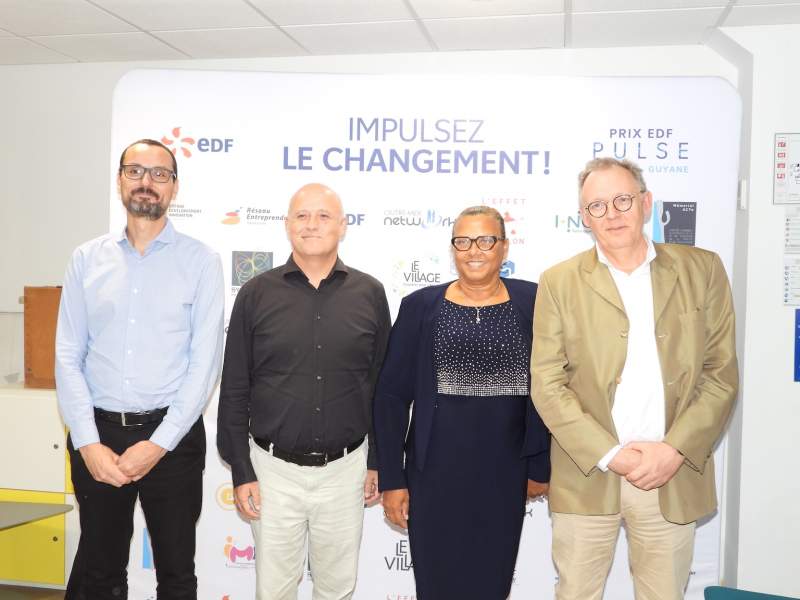
To kick off the evening, EDF officials from Martinique, Guadeloupe, and French Guiana, respectively, Pierre BERNARD, Marie-Line BASSETTE, Martin VOISIN, Laurent Larolphie, chair of the jury, as well as Ruddy RACON-PHILOGENE, the operational manager of the EDF Pulse Antilles-Guyane Awards, reached a shared conclusion: in territories not connected to major grids, where electricity generation and distribution depend on a delicate balance, even the slightest failure can have immediate consequences for residents, businesses, and public services.
In this context, innovation must meet several requirements:
- ensure maximum reliability of the facilities,
- remain easy to use,
- be designed from the outset for field use,
- take into account human, economic, and technical constraints,
- produce measurable results.
The executives emphasized the need to avoid excessive complexity—which is often counterproductive—in favor of robust solutions that teams can put to immediate use.
They also highlighted the gradual evolution of the culture of innovation within EDF Outre-mer. Long confined to a few specialized circles, it has gradually opened up to all employees, before expanding to local partners, universities, businesses, and institutions. This is now a collective effort, viewed as a driver of performance and attractiveness.
Projects Born in the Field
Pascal Zélateur – Project Alpha: A Different Approach to Training to Prevent Accidents
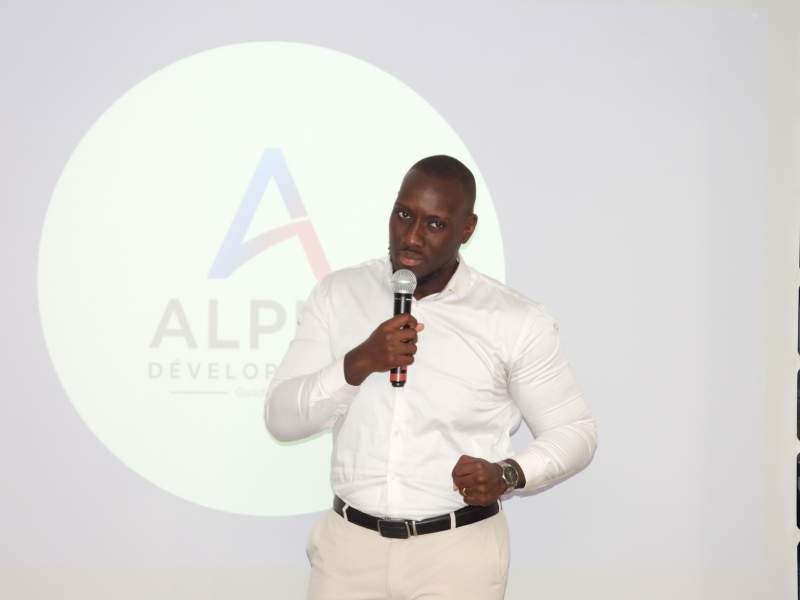
Drawing on his experience in correctional facilities, Pascal Zélateur began with a radical observation: in high-stress environments, theory alone is not enough. Only real-life experience can bring about lasting behavioral change.
Through the Alpha project, he is applying this approach to the industrial and energy sectors. His initiative is based on three complementary pillars:
- Virtual reality, which immerses agents in realistic scenarios: maintenance under pressure, forgotten equipment, and risky actions.
- A digital platform available 24/7, offering videos, quizzes, and personalized support.
- Workshops on emotional well-being, led by occupational health professionals.
The goal is to establish sustainable habits, reduce stress, and prevent psychosocial risks. The project, designed to be replicable, aims to be rolled out across multiple regions and sectors, with significant economic potential.
For Pascal Zélateur, training differently means investing directly in safety and saving lives.
Anthony Léveillé & Allamel Leïla – Leila: Modernizing Security Through Digital Technology
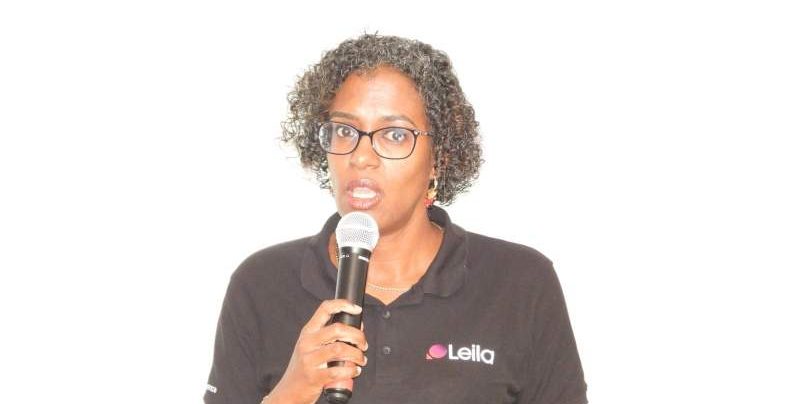
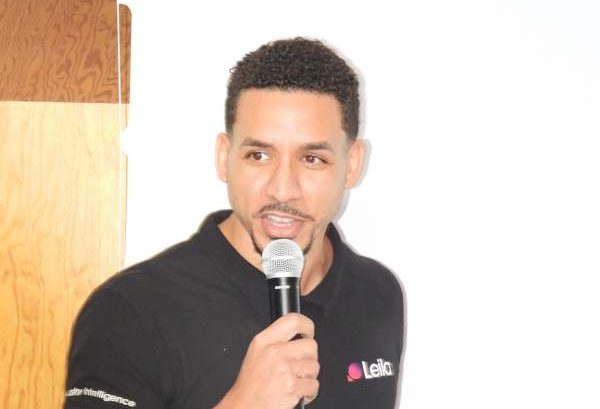
Anthony Léveillé, who has been a quality, safety, and environmental manager for more than fifteen years, starts from a widely shared reality: on many construction sites, safety is all too often confined to administrative procedures that are disconnected from the realities on the ground.
Together with Allamel Leïla, he developed Leila, a digital platform for centralizing and managing HSE, maintenance, and logistics processes.
Available on smartphones and tablets, even in areas without network coverage, the tool enables operators to: prepare for their assignments, analyze their surroundings, anticipate risks, and improve their day-to-day operations.
Already deployed in demanding environments, particularly in remote areas, the solution delivers tangible gains in safety, time savings, and productivity. A recent round of funding supports its ambition for international deployment.
Yahia Hajji – Noula: Reinventing Everyday Carpooling
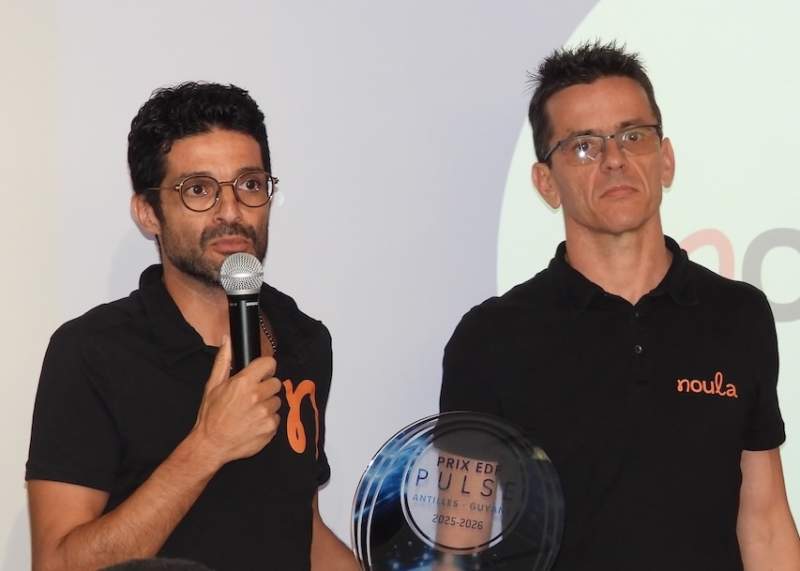
In response to congested roads and mistrust of public transportation, Yahia Hajji introduced Noula, a carpooling solution designed to meet the real-world needs of overseas territories.
His analysis is straightforward: traditional apps are too complex, not cost-effective for short trips, and inconvenient for users.
Noula offers a different approach: No app to download, access via WhatsApp, real-time connections, and a rewards system that converts points into gift cards.
With more than 30,000 users and several key partnerships, the platform helps make travel more convenient, reduce isolation, and strengthen local purchasing power. The main challenge now is to reach a critical mass that will allow the platform to meet all demand.
Romain Combret – Securis: Artificial Intelligence for Prevention
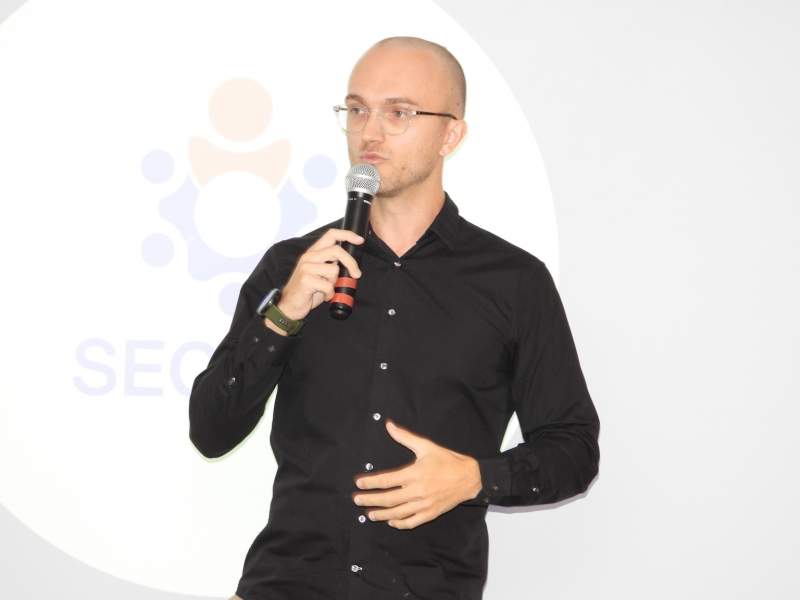
Prompted by an accident that occurred during a weather alert, Romain Combret decided to found Securis to address the lack of prevention tools tailored to small and medium-sized businesses.
The app works on a simple principle: using photos taken on-site, artificial intelligence analyzes the environment, identifies risks, and automatically generates reports.
Designed for small businesses and SMEs in the construction, energy, and industrial sectors, the solution helps: improve traceability, save time, strengthen preventive measures, and reduce accidents.
With a subscription-based model and ongoing partnerships with institutional decision-makers, Securis is aiming for a gradual, large-scale rollout.
Xavier Chabot – LEDD Lightning: Strengthening Regional Resilience Through Solar Lighting
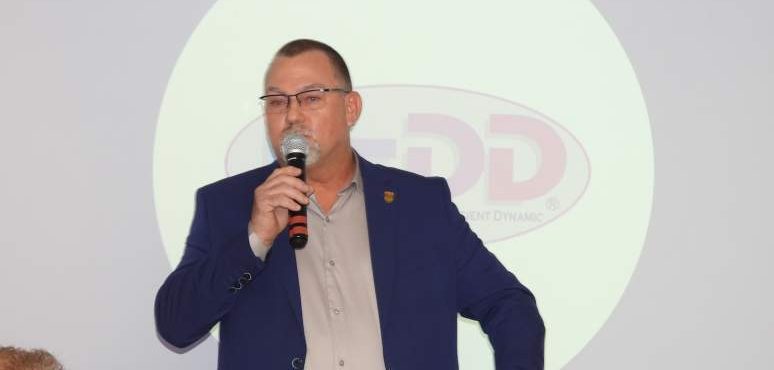
As the founder of LEDD Lightning, Xavier Chabot drew on his firsthand experience during a Category 5 hurricane to design a solution that enhances regional energy resilience. In response to prolonged power outages and the sense of insecurity they create, he developed a solar retrofit system that equips existing streetlights with photovoltaic panels and high-performance batteries.
This standalone or hybrid solution provides several nights of off-grid lighting, with low power consumption and minimal maintenance. It also helps alleviate pressure on infrastructure during times of crisis and offers an economically viable model, while incorporating additional services to ensure the safety and continuity of essential services.
A Collective Effort to Support Local Development
As the presentations unfolded, a common thread emerged: all the innovations presented stemmed from concrete, real-world experiences. Accidents, traffic jams, excessive red tape, a lack of appropriate tools, and digital isolation—each project addresses a real-world problem.
EDF Pulse Outre-mer thus serves as a true regional testing ground, capable of developing sustainable, replicable, and economically viable solutions.
Beyond the competition, this final highlighted:
- the entrepreneurial vitality of the overseas territories,
- the ability to adapt to local conditions,
- the importance of public-private partnerships,
- The strategic role of innovation in regional development.
A sustainable vision driven by innovation and local talent
By bringing together management, project leaders, and partners, EDF Pulse Outre-mer reaffirms its commitment to fostering innovation that is useful, responsible, and deeply rooted in the realities of these regions. Safety, mobility, training, digital technology, artificial intelligence, and the energy transition are now key drivers for supporting local economic and social change. This collective effort is based on a strong conviction: it is by starting at the grassroots level, valuing talent from overseas territories, and fostering collaboration that sustainable, high-performing, and inclusive models can emerge.
After thirty minutes of deliberation, the jury selected three projects for their relevance, maturity, and potential for implementation. The project Noula, sponsored by Yahia Hajji, has been praised for its concrete response to the challenges of mobility, traffic congestion, and the environmental transition, with a clear commitment to experimentation within EDF. The project Alpha, developed by Pascal Zélateur, impressed with its innovative approach to training and risk prevention, based on immersion and real-life experience. Finally, the solution Leila, led by Anthony Léveillé and Allamel Leïla, has drawn attention for its ability to offer customized digital tools tailored to the operational realities of local communities.
Beyond these awards, the jury issued a clear call for cooperation among all project leaders, highlighting the existing synergies and the importance of collective effort. This final round thus marks a decisive step in the maturation of the initiatives presented and paves the way for new collaborations aimed at promoting sustainable development, economic performance, and social progress in the overseas territories.
Philippe Pied