
Coastal protection, biodiversity conservation, food, energy, public buildings, and waste management: much of the ecological transition takes place at the local level. Through their expertise in land-use planning, public services, and asset management, municipalities and intermunicipal organizations can directly influence residents’ quality of life.
With this in mind, the Ministry of Ecological Transition, ADEME, and the French Office for Biodiversity have published a new edition of the guide *Demain mon territoire*.
Intended for local elected officials, the document brings together 23 action sheets covering topics such as renewable energy, mobility, waste, biodiversity, climate adaptation, food, and project financing. Each sheet combines key figures, concrete measures, and lessons learned.
Local Expertise at the Heart of the Transition
In fact, a single project can serve multiple purposes. Greening a schoolyard can reduce heat, facilitate stormwater infiltration, and improve the living environment.
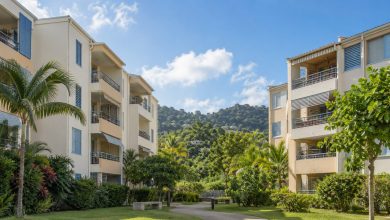
Renovating a public building can reduce energy consumption, improve thermal comfort, and promote the reuse of materials.
For local governments in Martinique, the challenge is therefore to incorporate environmental goals into day-to-day decisions, rather than reserving them for just a few isolated projects.
Mangroves and Vegetation: Protective Measures in Their Own Right
The Preservation of Natural Habitats is one of the factors most directly linked to the realities of Martinique.
Mangroves, wetlands, undeveloped land, and urban vegetation are not just areas that need to be protected: They can also help reduce erosion, runoff, heat, and certain coastal risks.
In this regard, the guide highlights an initiative by the Centre de la Martinique Urban Community (CACEM). Faced with increasingly rough waters caused by the trade winds and rising sea levels, the CACEM is working to’Adapting a marina to support the natural growth of the mangrove forest.
Reversible structures should allow for sediment accumulation and create the conditions necessary for the habitat to expand. Over time, the mangrove could reduce wave action, strengthen protection against erosion, improve conditions for recreational boaters, and serve as a natural asset with tourism potential.
This example illustrates the value of nature-based solutions: restore an ecosystem in order to simultaneously protect biodiversity, infrastructure, and human activities.
Energy and Food: Increasing Self-Sufficiency Without Using More Land
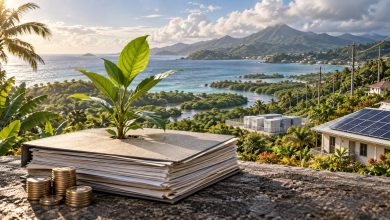
To develop renewable energy, the guide recommends prioritizing areas that are already developed: public rooftops, parking lots, brownfields, and business parks. This approach makes it possible to increase solar power generation without putting additional pressure on farmland, wetlands, and natural areas.
Municipalities can also incorporate renewable energy in their land-use plans, equip their buildings, or support collective self-consumption initiatives. However, the choice of locations must take into account the landscape, biodiversity, and existing land uses.
The pursuit of independence also extends to food. In France, approximately four billion meals are served each year in institutional dining facilities, where about 100 grams food would be wasted on average per meal.
Through school cafeterias, local governments can support local and seasonal products, adjust portion sizes, better organize orders, and help build supply chains capable of meeting the needs of public procurement.
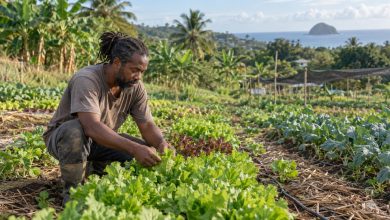
In an island territory that is heavily dependent on imports, local food initiatives can bring farmers, processors, schools, and consumers closer together.
Schools, Buildings, and Lighting: Taking Action on Everyday Expenses
Public Heritage represents another area for action. Before building, the guide encourages communities to gain a better understanding of the condition, use, and energy consumption of their buildings.
Renovation can incorporate ventilation, heat protection, water recovery, the reuse of materials, and the preservation of species found in buildings.
Schools are particularly affected. Their adaptation may involve energy-efficient renovations, improvements to air quality, greening of schoolyards, water management, and making walking and biking routes safer.
Street lighting also provides opportunities for savings. Based on national data, the guide estimates that nighttime blackout may Reduce electricity costs related to lighting by 35 %. Such a measure must, however, be tailored to the specific neighborhoods, the level of foot traffic in those areas, safety concerns, and the protection of nocturnal wildlife.
Public procurement is another lever that is often less visible. When a municipality purchases vehicles, furniture, digital equipment, or materials, it can incorporate criteria related to consumption, repairability, reuse, and sustainability.
Involving Residents and Planning Investments
Environmental projects can change land use, landscapes, or transportation patterns. Their implementation therefore requires involving residents early on, particularly when they concern land use, waste management, energy, or the coastline.
The guide offers several tools: local biodiversity councils, participatory budgeting, citizen science, community gardens, community composting, and energy cooperatives. It also recommends the creation of municipal civil protection reserves, made up of volunteers who can support the population before, during, and after a disaster.
However, the financial issue remains crucial. An environmental strategy must be integrated into a multi-year plan, including an estimate of the total cost of the projects and the expected savings.
Local governments can draw on their own resources, grants, energy-saving certificates, dedicated loans, or the programs listed on the Aides-territoires platform.
Tomorrow, My Territory does not constitute a roadmap specific to Martinique. It does, however, show that municipalities and intermunicipal bodies already have numerous tools at their disposal. Their effectiveness will now depend on how well they adapt to the island’s geographical, climatic, social, and economic realities.
You can view it here the «DEMAIN MON TERRITOIRE» guide»