In February 2026, the Marine Nature Park updated regulations governing commercial fishing in Martinique. A guide was published for professionals in the sector. The goal? To reduce pressure on the marine ecosystem and preserve fishery resources.
Protecting the resource from the risk of overexploitation
As part of its outreach efforts, the Martinique Marine Nature Park has published a guide to remind people of best practices and support professionals in their efforts to fish responsibly. «By 2025, the Martinique Marine Nature Park is committed to making regulations accessible to all fishermen,» it states on social media. «Following the informational brochure on regulations for recreational fishing, a new guide dedicated to professional fishermen has just been published.»
This threat indeed looms over fish, turtle, and marine mammal species, as well as the entire ecosystem. Poor fishing practices directly affect the targeted species and indirectly impact protected species through bycatch. Irresponsible fishing could even lead to the further degradation of sensitive habitats, compounding the effects of climate change, pollution, and damage to the marine environment.
What's the action plan?
Reiterating the rules and enforcing them should help protect the resource so that species can reproduce under favorable conditions and avoid the risk of extinction.
The new guide published by the Marine Nature Park reiterates and establishes:
- Precise sizing and mesh size of fishing nets: gillnets, surface/drift nets, purse seines, and traps
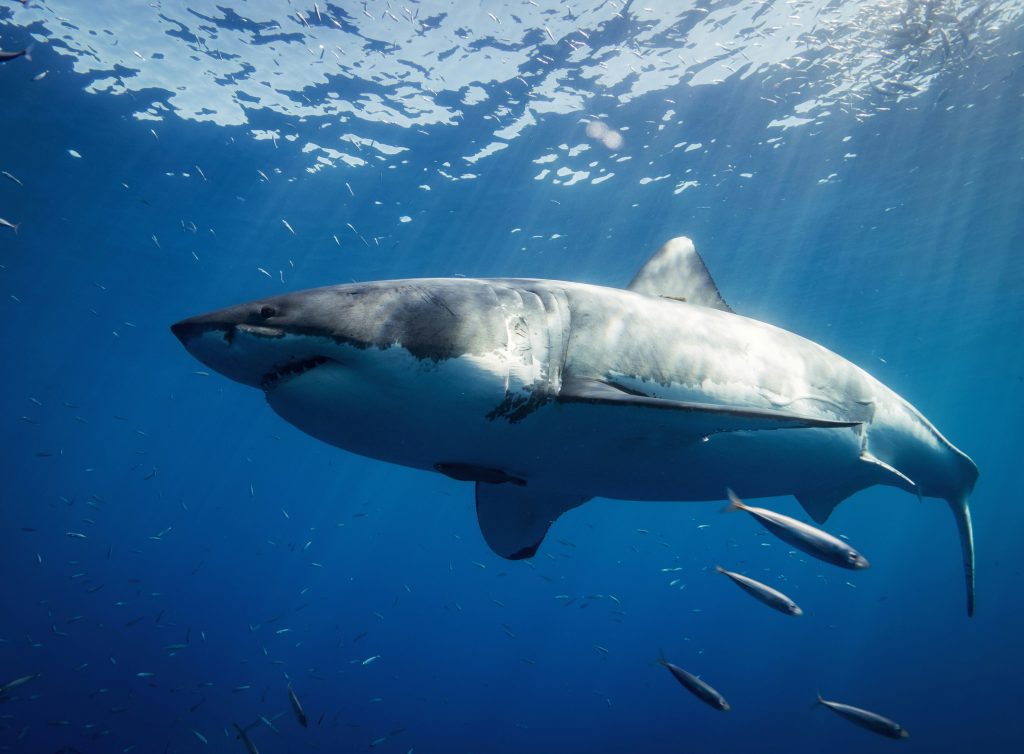
- Complete bans on fishing for certain species, including turtles, marine mammals, angelfish, sponges, corals, sharks, etc.
- Minimum size limits for the species being fished, to allow them to reproduce at least once and thus ensure their survival
- Specific periods during which fishing for a particular species is prohibited, such as the fishing of the conch, which is prohibited from the 1ster January through June 30, inclusive, for example
To obtain a printed copy of the guide, you can pick it up at the Marine Nature Park offices, the Maritime Affairs Office, or the Regional Fisheries Committee.