
Design, as part of Corporate Social Responsibility (CSR), transforms the development of products and services into a catalyst for positive impact, combining sustainability, progress, and social value.
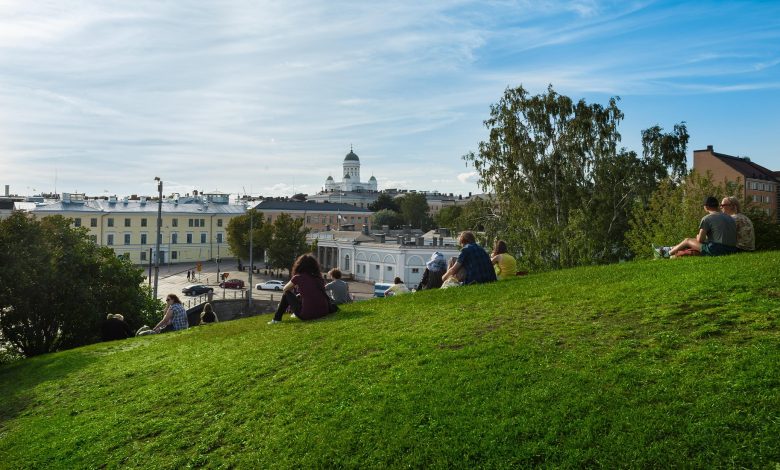
Helsinki, named the World Design Capital in 2012, marked a turning point in the use of design as a strategic tool for corporate social and environmental responsibility (CSR). Integrating Design into CSR: In Helsinki, design is viewed as a method for addressing complex social and environmental challenges by involving citizens in the co-design of services and spaces.
Sustainability and Carbon Neutrality : Helsinki has set a goal of achieving carbon neutrality by 2030 by actively supporting tourism and local businesses in adopting sustainable practices and promoting «responsible travel.».
Sustainable Architecture : More than 75 % of the territory is covered by responsibly managed forests, with wood serving as the preferred raw material for projects such as Wood City and the Oodi Library, promoting energy efficiency.
Corporate Commitment : The 2012 WDC involved major corporate partners, such as UPM, which developed sustainable materials and green building solutions, thereby strengthening corporate social responsibility in the private sector.
Just outside Helsinki, the Espoo Museum of Modern Art (EMMA) invites you to explore the world of Finnish textile art, where bold patterns and innovative techniques have shaped fashion and design.
In memory of Locronan and its weavers with golden hands, a campaign has been launched to create a postage stamp in memory of Marguerite CHANVRIL (1901–1983), inventor of dietary supplements, science communicator, and pioneer in corporate social and environmental responsibility (CSR).

Maison Chanvril is a major historical landmark of the fabric trade in Brittany. In the 18th century, this region prospered thanks to the production and export of high-quality linen and hemp fabrics, known as «Breton fabrics.» Breton towns, with their historic market halls, were at the heart of this commercial network. This rich textile heritage has continued, generation after generation, to sustain a vibrant manufacturing tradition that weaves together tradition and modernity.
A pioneer in the field of nutritional science, Marguerite CHANVRIL sought to innovate in order to improve the transportation and sales of natural dietary supplements to the old market halls of Paris.
His work was recognized with the Ministry of Agriculture’s Honorary Award during the Great Crisis of 1936.
In particular, to facilitate the delivery of ultra-fresh products to the former Les Halles de Paris, it patented a process designed to strengthen the calcium in eggshells using marine minerals and drew on other historical examples to develop vitamin-enriched or fortified foods in interwar France.
In order to highlight the role of women in transforming regions into «Babylons» of the agri-food industry and alternative consumption, several letters of support have been sent to Ms. Marie-Ange DEBON, Chair and CEO of the LA POSTE Group, to bring this matter to the attention of PhilaPoste, the division responsible for issuing new stamps, which will soon review this proposal.
Just before and just after the war, the issue of nutrition was subsumed under a broader, global food issue and was raised—particularly at the important Hot Springs Conference organized in 1943 at Roosevelt’s initiative—as a crucial matter for the well-being of humanity and a prerequisite for world peace.Kevin LOGNONÉ