

Preventing food waste and redistributing it to those most in need? While the solution works in theory, the organization Réveil Agricole in Martinique takes on this challenge every day on the ground. This is explained in the latest issue of ADEME Outre-mer. In addition to preventing waste and supporting vulnerable populations, the organization also works to help young people. We meet with a social and solidarity economy organization that has it all.
Saving Food
Food waste accounts for a very significant volume in Martinique: more than 80% of farms are estimated to have a food loss rate ranging from 5 to 30%, according to figures from ADEME. There are many reasons for this: over-ripe fruits and vegetables, excessive quantities, or produce that does not meet marketing standards.
In the latest issue of ADEME Outre-Mer from March 2026, ADEME profiles the organization Réveil Agricole, based in Martinique, whose daily efforts are aimed at reducing food waste and redistributing the food to those most in need. «The organization relies on its partnership with the Martinique Food Bank. After collecting unsold produce from farmers, Réveil Agricole lists it on the Proxidon app, developed by the Martinique Food Bank, and then delivers it to the social and community grocery stores that have reserved it,» adds ADEME.
Social and Community Grocery Stores
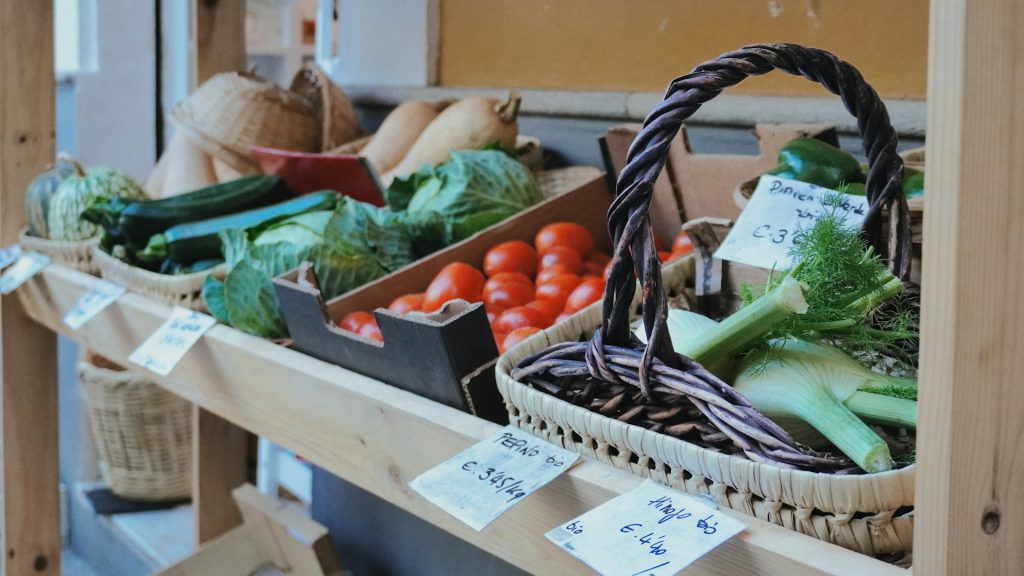
The Réveil agricole association has three main objectives: to reduce food waste and redistribute food to the most disadvantaged, within the framework of the social and solidarity economy. In practical terms, fruits and vegetables that might otherwise be discarded are redistributed to community food pantries.
In addition to these two noble missions, the Réveil Agricole association is working to promote the integration of young people. «The project involves training six young people through job placement programs on farms. This initiative helps them enter the job market and equips them with essential agricultural skills amid a labor shortage,» notes ADEME.
The association’s work has had a wide-reaching impact and has garnered support from numerous stakeholders in the environmental and social and solidarity economy sectors: ADEME, the Family Allowance Fund, public intermunicipal cooperation agencies (Cap Nord, CACEM, and CAESM), and institutional bodies such as the DEETS and the DAAF. In the face of food loss and waste, France’s overseas territories and departments offer a wealth of solutions.
SD