
Ecological Transition: Water, Energy, and Climate in the Caribbean
The new edition of Caribbean Insights comes at a pivotal moment for the ecological transition Caribbean. From the water crisis in Guadeloupe to the drought alert in Martinique and the CTM’s unprecedented authority over water management, this newsletter addresses the major environmental challenges facing these territories.
Intended for readers of martinique2050.com, this edition shows that the ecological transition is no longer a distant issue. It now directly affects access to water, health, energy, agriculture, coastal areas, and the daily lives of residents.
The Water Crisis: A Central Issue in the Ecological Transition
The main feature examines the critical water situation. In Guadeloupe, Guy Losbar, president of the Departmental Council, has announced a conference of elected officials dedicated to water. Users are complaining about persistent problems with the public water service.
In Martinique, the drought alert issued on May 7 serves as a reminder of the fragility of this resource. The parliamentary authorization granted to the CTM opens up a new possibility. It allows the CTM to establish its own regulations regarding water, sanitation, and energy. Water in Martinique Remains Under Pressure which continues to innovate despite everything.
Renewable Energy and the Green Transition in the Caribbean
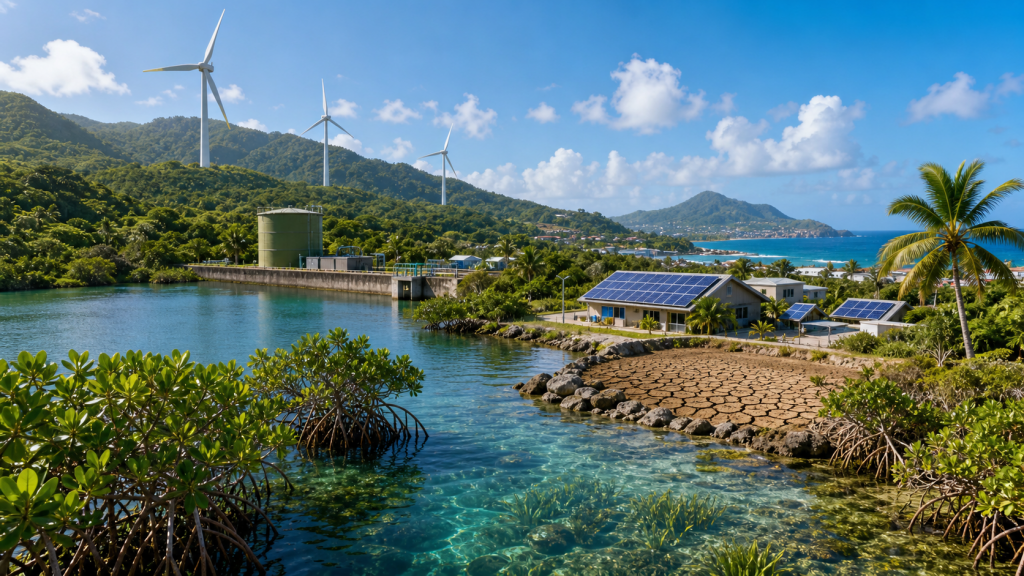
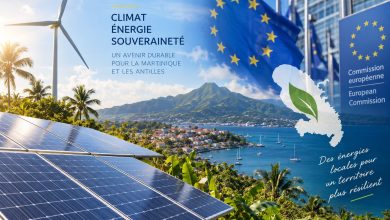
The energy issue is becoming a key concern throughout the Caribbean. The OECS is accelerating its strategy to achieve 30 % of renewable electricity by 2035. Furthermore, Dominica exemplifies this trend with the Laudat geothermal power plant.
This power plant can supply electricity to approximately 23,000 households. In contrast, Cuba’s energy crisis highlights its extreme vulnerability. Economies remain heavily dependent on imported oil. The Caribbean is showing signs of a lasting shift with its renewable energy sources.
Ecosystem Conservation and Mangrove Restoration
The protection of ecosystems is a major component of the ecological transition regional. The REMAR project is allocating 5.5 million euros to restore mangroves in five regions, including Martinique and Guadeloupe.
These natural habitats protect the coastlines. They support biodiversity, filter water, and store carbon. Their degradation is not just an environmental problem; it is also a crucial economic and social issue for the resilience of coastal communities.
Making the Most of Sargassum: From a Nuisance to a Resource
Sargassum has long been a problem for local communities. Expertise France is launching a €1.6 million call for projects to support innovative solutions for its reuse.
Grenada, Bonaire, and several other countries are already exploring ways to use it for biogas, fertilizers, compost, and insect feed. However, the challenge remains in transforming this resource into a safe, profitable, and well-managed industry. Sargassum is both a scourge and a resource to be managed jointly.
Environmental Health and the Chlordecone Plan IV
Finally, Caribbean Insights addresses environmental health with a focus on the Chlordecone Plan IV. This plan has a total budget of 92 million euros over four years.
It covers prevention, support for communities, and the reduction of dietary exposure. These issues serve as a reminder that the ecological transition cannot be separated from health and social justice. Chlordecone Sparks Scientific Research at the University of the Antilles.
Conclusion: A Tool for Understanding the Caribbean
Through this special edition, Caribbean Insights provides a resource to help anyone interested in environmental changes better understand the issues. For martinique2050.com, this newsletter is fully in line with its mission to provide clear information.
It highlights the risks, explains the solutions, and promotes initiatives. It serves as a reminder that the choices made today will determine the ability of regions to live, produce, and protect themselves tomorrow.