Source: ONF Martinique website
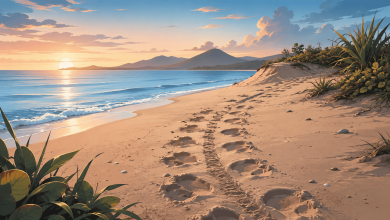
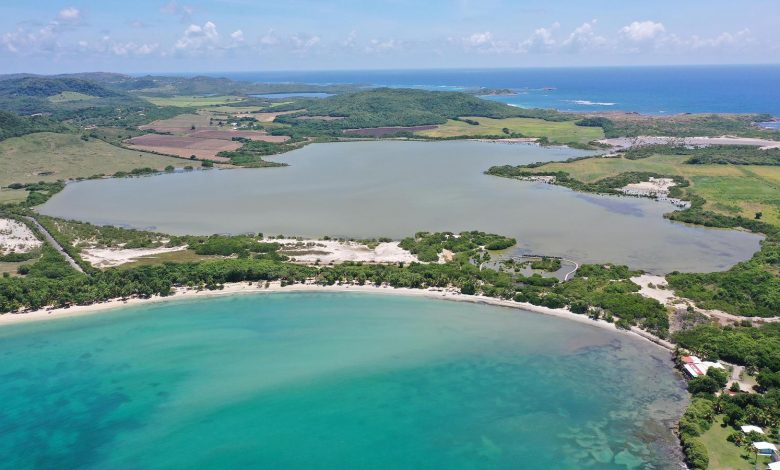
A natural site of breathtaking beauty, designated a historic monument, that welcomes one million visitors each year. Add to that its exceptional biodiversity—it’s a major nesting site for hawksbill sea turtles—and you have the Grande Anse des Salines in Sainte-Anne. A jewel of Martinique that perfectly illustrates the challenges facing the ONF: how to preserve a fragile ecosystem while maintaining its appeal to tourists?
When Climate Change Threatens a Natural Treasure
Designated as a protected site since 2013, this exceptional coastal area is bearing the brunt of the effects of the climate change. Coastal erosion and rising sea levels are dangerously undermining the ecosystem: trees in the national forest are being uprooted, the coastline is undergoing chronic erosion, and coastal ecosystems as a whole are being weakened.
Faced with this environmental emergency, compounded by intense pressure from tourism, a coalition of public and nonprofit organizations has formed around an ambitious project: ’Opération Grand Site.« It brings together:
- The town of Sainte-Anne
- The Territorial Collectivity of Martinique (CTM)
- The Martinique Regional Nature Park (PNRM)
- The Coastal Conservation Agency
- The Espace Sud Martinique Urban Community (CAESM)
- The National Forest Service
This shared governance ensures a comprehensive and consistent approach, in which each area of expertise contributes to the project's success.
A Scientific Approach to Sustainable Solutions
Expertise to Inform Decision-Making. The ONF first placed an understanding of how the site functions at the heart of its approach. Thanks to funding from the Ministry of the Environment’s Biodiversity and Landscape Public Interest Mission, an in-depth study was conducted to understand the site’s natural dynamics. This geomorphological, sedimentological, and hydrodynamic analysis made it possible to precisely identify the most vulnerable areas.
Concrete steps to reorganize the coastal strip: relocating commercial activities to the northern part of the cove, in areas less exposed to climate risks. This decision, based on objective data, protects both the environment and the local economy. A call for proposals has already been issued to select future operators.
At the heart of the project, in addition to the relocation of operations, is the restoration of the southern part of the cove, which has been most affected by erosion. The ONF is relying on a particularly effective natural solution: revegetation using endemic tree species that are specially adapted to coastal conditions.
A twofold benefit: stabilizing the soil while restoring a vegetation barrier capable of absorbing wave energy. This approach relies on nature-based solutions to promote flexible coastal management.
A New Approach to Hospitality for Responsible Tourism
The project does more than just protect—it also enhances the site. A coastal trail will be created, accessible only on foot or by bike, allowing visitors to explore the site in an environmentally responsible way. The call for proposals to select future operators is based on rigorous criteria: knowledge of the site, environmental commitment, and a focus on supporting local supply chains.
This project is part of a long-term vision, with studies currently underway on sanitation, signage, traffic management, and the creation of a visitor center. The stated goal is to make Les Salines a model of sustainable management where nature, culture, and the local economy coexist harmoniously.
Les Salines demonstrates that the ONF does more than just manage: it anticipates, innovates, and brings people together to build the future of our most precious natural areas.