
Local governments, associations, businesses, and research organizations may apply for the 2026 LIFE calls for proposals. With a budget of 601.5 million euros At the European level, the program supports concrete actions to promote biodiversity, the circular economy, climate action, and the energy transition. Most standard projects must be submitted by September 22, 2026.
Established in 1992, LIFE is the European Union program dedicated exclusively to the environment and climate action. Its 2026 calls for proposals, published on April 21, cover four major areas: nature and biodiversity, the circular economy and quality of life, climate change mitigation and adaptation, and the transition to clean energy.
From Biodiversity to the Circular Economy
The first component focuses on the protection and restoration of nature. In particular, it can support initiatives aimed at improving the condition of habitats, preserving endangered species, or reducing pressures on ecosystems.
In Martinique, projects focusing on mangroves, wetlands, coastal environments, ecological corridors, or certain protected species could thus fall within the scope of the program. Their eligibility will, however, depend on the objectives set, the expected results, and their contribution to European priorities.
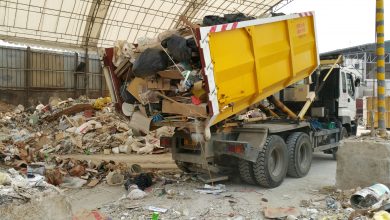
LIFE also funds projects related to the circular economy and quality of life. This area includes, in particular, waste prevention, the reuse of resources, pollution reduction, and improvements in water, air, and soil quality.
Initiatives in Martinique focused on waste recovery, reducing plastic use, reusing materials, or protecting aquatic environments could therefore be eligible, provided they precisely meet the criteria of the selected call for proposals.
Another subprogram focuses on climate change mitigation and adaptation. In an island territory vulnerable to erosion, flooding, droughts, heat waves, and coastal changes, there are numerous opportunities. In particular, LIFE can support nature-based solutions, initiatives to reduce emissions, and actions that strengthen the resilience of territories and economic activities.
Finally, the section on the transition to clean energy focuses primarily on removing the financial, regulatory, technical, or organizational barriers that are slowing down the transformation of energy systems. This may involve building retrofits, training professionals, securing funding, combating energy poverty, or fostering citizen participation.
Concrete and sufficiently structured projects
Several categories of applicants may submit an application:
- local governments and public institutions; ;
- companies of all sizes; ;
- associations and NGOs; ;
- universities, laboratories, and research organizations.
The project sponsor must be a public or private legal entity. Depending on the call for proposals selected, the project may be submitted by a single organization or by a consortium of multiple partners.
LIFE does not fund mere environmental intentions. The program seeks projects that are sufficiently well-structured to produce concrete, measurable, and sustainable results. In particular, the application must specify:
- the environmental issue addressed; ;
- the planned actions and their timeline; ;
- the budget and sources of co-financing; ;
- the expected results and indicators; ;
- the conditions for continuing the project after European funding ends.
The replicability of the initiative is also an important factor. An experiment conducted in Martinique should yield insights or solutions that can be applied to other regions facing similar challenges.
The program operates on a co-financing basis. Therefore, European funding does not necessarily cover all expenses. Project leaders must plan for the portion of the costs that must be covered by other sources, as well as for the human, administrative, and technical resources needed to set up and monitor the project.
Important Dates to Remember
The deadlines vary depending on the funding category:
- September 16, 2026 for projects related to the transition to clean energy; ;
- September 22, 2026 for standard action projects, technical assistance projects, and several other environmental and climate initiatives.
Other categories, particularly certain strategic projects, have their own specific timelines. Each applicant must therefore review the information sheet that specifically applies to their project before submitting their application.
Applications are submitted online via the European portal Funding & Tenders, which contains the documents, eligibility requirements, and specific guidelines for each call for proposals. These documents are not filed with a local government office in Martinique.
With more than 600 million euros available in 2026, LIFE represents a significant funding opportunity to turn environmental solutions into concrete actions. For stakeholders in Martinique, the challenge now is to identify the right program and demonstrate that their project can produce sustainable, measurable results that are beneficial beyond the territory’s borders.