Waste management isn't just about households. Every day, businesses in Martinique generate a wide variety of waste from their operations: packaging, food waste, construction materials, electrical equipment, used oil, and even pesticides. However, not all of this waste follows the same path once it's collected.
To help professionals better understand what happens to this waste, ADEME Martinique has published a practical guide titled «Businesses: Where Does Your Waste Go?». This document outlines the main waste treatment options available in the region, organized by industry sector and the type of waste generated.
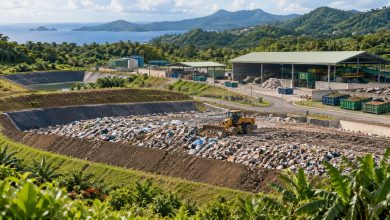
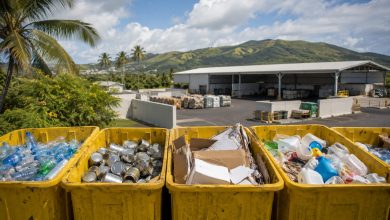
Depending on their nature, this waste can be recycled locally, channeled through an extended producer responsibility (EPR) program, pretreated before being exported, or—when no recycling option is available—sent to landfills or incineration facilities.
Programs Tailored to Each Industry
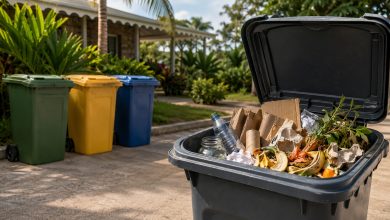
A waste stream’s path depends primarily on its source. In the restaurant and food service industries, food waste, cooking oils, glass packaging, cardboard, and certain plastics are managed through specific recycling channels, while other types of waste require special treatment.
The same principle applies to offices, retail establishments, and tourism-related businesses. Paper, furniture, electrical and electronic equipment, textiles, ink cartridges, and batteries are not covered by the same collection systems or recycling solutions.
In the agricultural sector, green waste, mulch films, packaging for plant protection products, and banana bunches are also managed through specialized systems; some of these systems enable their recycling, while others facilitate their treatment through specialized networks.
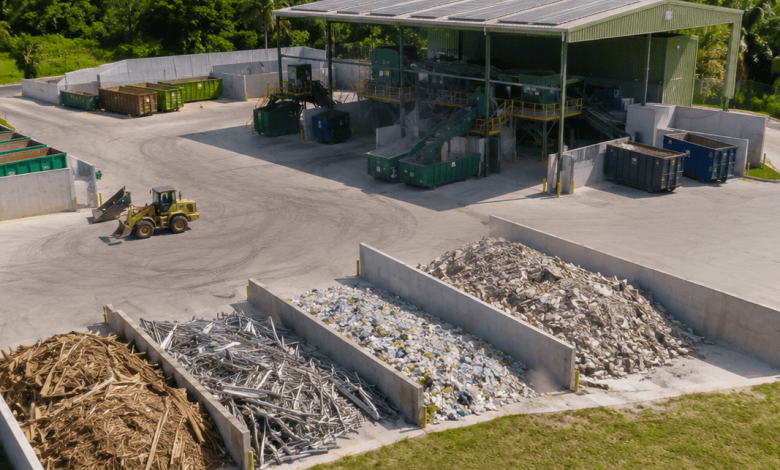
The construction and public works sector also faces unique challenges. Waste such as concrete, plaster, wood, PVC, excavated soil, asbestos, solar panels, and electrical equipment does not follow a single disposal route. How it is managed depends on the materials involved and the disposal options available in the region.
A Tool for Strengthening the Circular Economy
Beyond regulatory requirements, better waste management directly contributes to the development of the circular economy in Martinique. Recovering materials locally whenever possible, promoting reuse, reducing the volume of waste sent to landfills, and organizing export channels for certain specific types of waste help conserve resources while reducing the environmental impact of economic activities.
For professionals, understanding what happens to their waste is therefore an essential step toward improving their practices and contributing to the ecological transition goals being pursued in Martinique.
View the complete guide here: https://librairie.ademe.fr/economie-circulaire-et-dechets/8967-10783-professionnels-que-deviennent-vos-dechets-en-martinique-.html