Art and Biodiversity in Martinique: The Ex(s)istere Project
What if a plant silhouette drawn on the ground could change the way we view nature? That’s the goal of this national project Ex(s)istere. Organized by the network of National Botanical Conservatories, this artistic initiative brings together culture and ecology. From May 12 to June 12, 2026, it will make a stop in Martinique. The venue: Tropiques Atrium in Fort-de-France.
A project that promotes the ecological transition
In our region, the ecological transition It also requires a better understanding of the natural world. We often talk about climate, energy, waste, or transportation. We rarely talk about wild plants, even though they are essential to the balance of ecosystems.
These plants also shape the landscapes and the collective memory of these places. Furthermore, they strengthen the resilience of island regions. This is precisely what Ex(s)istere.
How Does the Ex(s)istere Project Work?
The concept is both simple and powerful. In several cities in France and its overseas territories, botanical works will be on display to the public. Drawings, poetic texts, and educational activities will highlight fourteen plants selected by the Conservatories.
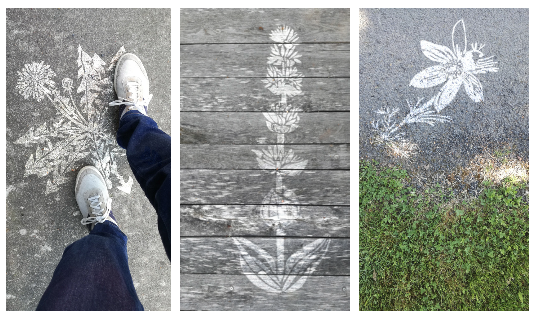
Next, plant silhouettes will appear in public spaces starting from these exhibition sites. How? Using stencils made with temporary paint. This paint is environmentally friendly.
Fleeting impressions, a powerful message
These plant prints are not meant to last. Rain, foot traffic, and the passage of time will gradually erase them. This disappearance is intentionally symbolic.
Why? It’s reminiscent of the very real one experienced by many vulnerable species due to urbanization. Changes in land use, pollution, and climate change also threaten wildlife and plant life.
The Unique Challenge of Biodiversity in Martinique
In Martinique, this initiative has special significance. Our island is home to a remarkable biodiversity, but also vulnerable. Forests, mangroves, coastlines, hills, wetlands, and Creole gardens make up a precious natural heritage.
However, many species remain unknown to the general public. By making plants more visible in the city and in cultural venues, Ex(s)istere puts nature back at the center of our daily lives.
Iconic Plants of the Caribbean
In particular, the project highlights plants native to France’s overseas territories. The balizyé is emblematic of tropical landscapes. The courbaril, a heritage tree, has many uses.
Through them, the ecological and cultural richness of Martinique is also brought to life. Furthermore, this raises residents’ awareness of their local resources.
Envisioning a More Sustainable Region
This initiative is fully in line with the spirit of Martinique 2050: envisioning a more sustainable region. This region will be more mindful of its resources. It will also be more attentive to the balance of the natural world.
Because preparing for the future isn’t just about building differently. It’s also about learning to see what already exists. Then we must understand it, respect it, and pass it on.
Activities and workshops for families
Throughout the entire period, the Botanical Conservatories’ “Belle Saison” will feature a wide range of activities. The program will include workshops, walks, meet-and-greets, and educational sessions.
These are all opportunities for families, young people, and schoolchildren to rediscover Martinique’s natural environment. These events help foster an understanding of the major conservation challenges.
Conclusion: Every plant matters
By 2050, the most resilient regions will undoubtedly be those that have managed to protect both their biodiversity and their infrastructure. Ex(s)istere reminds us of this in a subtle way. Every plant matters, even when we don’t notice it.
Philippe Pied