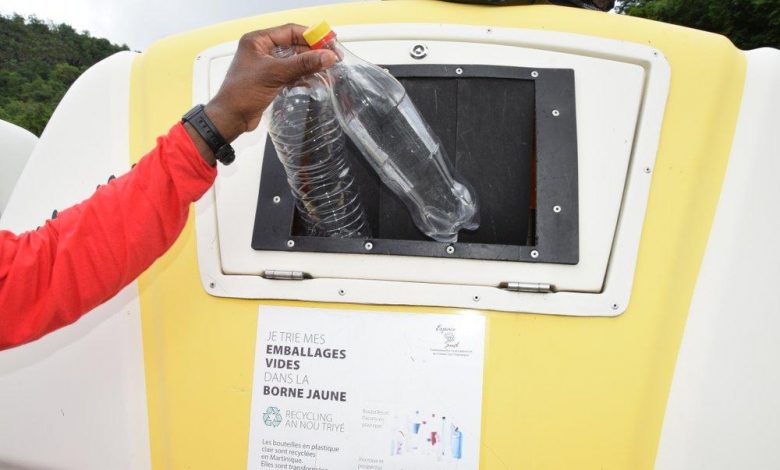
From the expanded use of yellow bins to the composting of organic waste, including the “Pays Propre” campaigns and efforts to combat illegal dumping, Martinique is transforming its approach to waste. This guide provides an overview of the rules, stakeholders, infrastructure, and initiatives that are shaping a cleaner, more circular region.
Key Takeaways
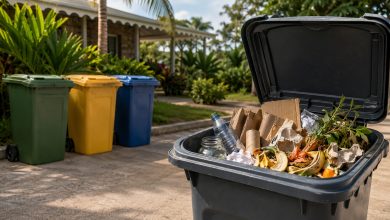
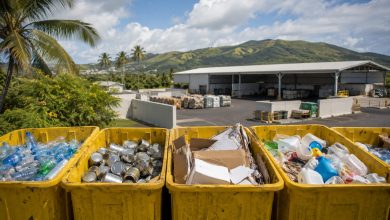
- Since 2026, all packaging and paper have been sorted into the yellow bin in Martinique
- Composting and the recycling of food waste have become a strategic driver for the region
- Thrift stores, repair shops, and yard sales form the backbone of the secondhand economy
- The "Pays Propre" and "Kay Pwop" initiatives are bringing together citizens, municipalities, and organizations
- Martinique is developing local infrastructure to process and recycle its waste on site
Waste Sorting in Martinique: Rules That Changed in 2026
As of January 1, 2026, recycling guidelines have changed throughout Martinique. Here’s what you need to know to recycle properly every day.
- All packaging and paper should now be placed in the yellow bin
- New standardization initiative led by CITEO Outremer
- Digital tools to help people make informed decisions about what to throw away
For more information: Sorting Packaging and Paper: What Has Changed in Martinique Since January 1, 2026 · In Martinique, the yellow bin now accepts all packaging and paper · CITEO OUTREMER: In 2026, a change in the rules… · OTRI App: A Tool for Better Waste Sorting
Sorting centers and recycling facilities
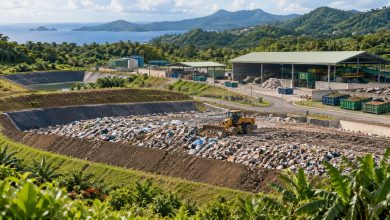
Martinique is gradually equipping itself with industrial facilities capable of processing and recycling its waste locally, as close as possible to where it is generated.
- Modernization of the Ducos Sorting Center by Martinique Recyclage
- Specialized platforms for sludge, boats, or biowaste
- Tours and Open Houses to Learn About the Industry
For more information: Martinique Recyclage Opens Its Modernized Sorting Center in Ducos · Denel, a Local and Sustainable Factory · Inauguration of the Essainia Wastewater Treatment Facility · Waste Management Center Open House
Biowaste, compost, and yard waste: a major driver
Organic waste makes up a significant portion of our trash and offers considerable potential for soil improvement in Martinique.
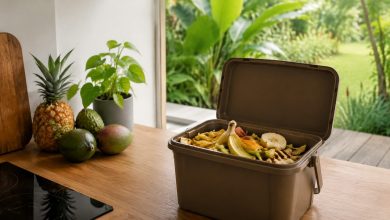
- Compost: A Growing Force within the territory
- Citizen Engagement Around the «Let’s All Compost!» Campaign»
- A Specific Challenge for Businesses and Green Waste
For more information: Biowaste in Martinique: Compost—A Growing Force · March 28–April 12: «Let’s All Compost!» · From Sorting to Recycling: Food Waste and Green Waste at the Heart of Martinique Companies’ Performance · Permaculture in All Its Forms
Waste Reduction and the Zero-Waste Approach
Before sorting waste, the best kind of waste is the kind we don’t produce in the first place. Martinique is organizing more and more events focused on waste prevention.
- European Week for Waste Reduction (EWWR), an annual highlight
- International Zero Waste Day on March 30
- The Role of Local Organizations Working on the Ground
For more information: March 30: International Zero Waste Day · SERD 2026: A preparatory webinar on May 19 · Waste Reduction: The Zero Waste Association on the Front Lines · Overview of Prevention Policies in Martinique
Reuse, Repair, and Secondhand
Repair, donate, or trade: these are all actions that extend the life of objects and reduce the strain on resources.
- Recycling centers as a 100% zero-waste solution that is % sustainable
- Repair Cafés and Refurbishment Workshops
- Garage sales, clothing drives, and charity events
For more information: Recycling Center, the zero-waste solution, 100% sustainable development… · Repair Instead of Throwing Away · April 11: A Simple Clothing Challenge to Support a Good Cause · Nothing but joy at the Schoelcher yard sale
Trash Collection and Community Cleanup Initiatives
Beaches, hills, rivers: Citizen efforts to clean up Martinique are ongoing, led by organizations and local governments.
- A Nationwide Effort for a Cleaner Country
- Combating Illegal Dumping with the Conservatoire du littoral
- Targeted campaigns such as «Carnaval la rivé, déché ka resté»
For more information: A Nationwide Effort for a Cleaner Country · The Coastal Conservation Agency is waging a campaign against illegal dumping · Waste Collection Campaign with the SEME Association · Invitation: La Rivé Carnival—Don't Miss It!
Plastic: Innovation and the Fight Against Pollution
From plastic sargassum in the ocean to everyday uses, the fight against plastic pollution is rallying businesses, apprentices, and citizens.
- ECOGAINE: Turning Plastic Pollution into Building Material
- Plastic Attack and Awareness Campaigns
- End of Single-Use Plastics in Commercial Settings
For more information: ECOGAINE. When apprentices from Martinique turn plastic waste into building materials · First "Plastic Attack" Campaign in Martinique · Ending Single-Use Plastics: A Workshop to Inform Professionals · Screening of the documentary: "Plastic Everywhere! Stories of Waste"
Special Waste: Pesticides, Boats, Bulky Items
Certain types of waste cannot be disposed of just anywhere: they require specialized disposal systems to prevent pollution and contamination.
- One-time collections of agricultural waste
- Recycling End-of-Life Vessels at Sea
- Recycling of Sewage Sludge Through Terraviva
For more information: Pesticide Waste Collection in Martinique. April 21 and 22, 2026, from 10 a.m. to 2 p.m. · Marine Pollution: How to Recycle Your Boat? · TERRAVIVA: The Utilization of Sewage Sludge
Public Policies and Waste Management Plan
Waste management in Martinique is carried out within a strategic framework established in collaboration with local governments, ADEME, and economic stakeholders.
- Development and Monitoring of the Waste Prevention and Management Plan (PPGD)
- Overview of Prevention Policies in the Region
- Kay Pwop Operations to inform residents on a town-by-town basis
For more information: Waste Management: Follow the Steps for Developing the Plan (PPGD) · Overview of Prevention Policies in Martinique · Kay Pwop: New Publications from Martinique · Kay Pwop Rivière-Pilote: Final Stage on March 25
Businesses and the Circular Economy in Martinique
Local businesses play a central role in transforming waste into resources and building a more circular economy.
- Support for Businesses from the Martinique Chamber of Commerce and Industry (CCI)
- Recycling of Biowaste and Green Waste in the Workplace
- Waste: The Potential «New Oil» of the Local Economy
For more information: The Martinique Chamber of Commerce and Industry supports businesses in achieving sustainable performance · From Sorting to Recycling: Food Waste and Green Waste at the Heart of Martinique Companies’ Performance · Recycling: Will Waste Become the New Oil on a Global Scale? · Companies Committed to the Environment
Consume responsibly to reduce waste
Reducing waste also depends on our consumption choices: local, fair-trade, and eco-friendly products.
- ILÉCO and Guides for Eco-Conscious Consumers
- Fair Trade and Committed Stakeholders in Martinique
- Anti-waste initiatives such as Disco Soupe
For more information: ILÉCO: Serving the Eco-Conscious Consumer · Fair Trade in Martinique · Agathe from the Disco Soupe Martinique organization · Share, Take Action, and Consume More Responsibly
Stay Informed and Take Action Every Day
There are many tools, events, and stakeholders that enable everyone to take concrete steps toward a more responsible approach.
- World Recycling Day on March 18
- Documentaries and interactive sessions
- Resources and guides for further exploration
For more information: March 18: World Recycling Day! · New documentary: Come join us for a trash cleanup! · Learn more about waste… · The Volunteer Initiatives Village Returns in 2018
CONCLUSION:
Ultimately, what is at stake today in Martinique goes far beyond the simple issue of recycling. A gradual transformation of our habits, our infrastructure, and our consumption patterns is currently underway. The rules have changed, the tools are being put in place, and the infrastructure is being strengthened, but nothing will work fully without everyone’s ongoing involvement.
The region is making progress with concrete, local solutions tailored to its specific circumstances. The larger yellow bin makes recycling easier, composting restores value to what we used to throw away, citizen-led initiatives remind us that keeping our community clean is everyone’s responsibility, and businesses are beginning to see waste as a resource rather than a burden.
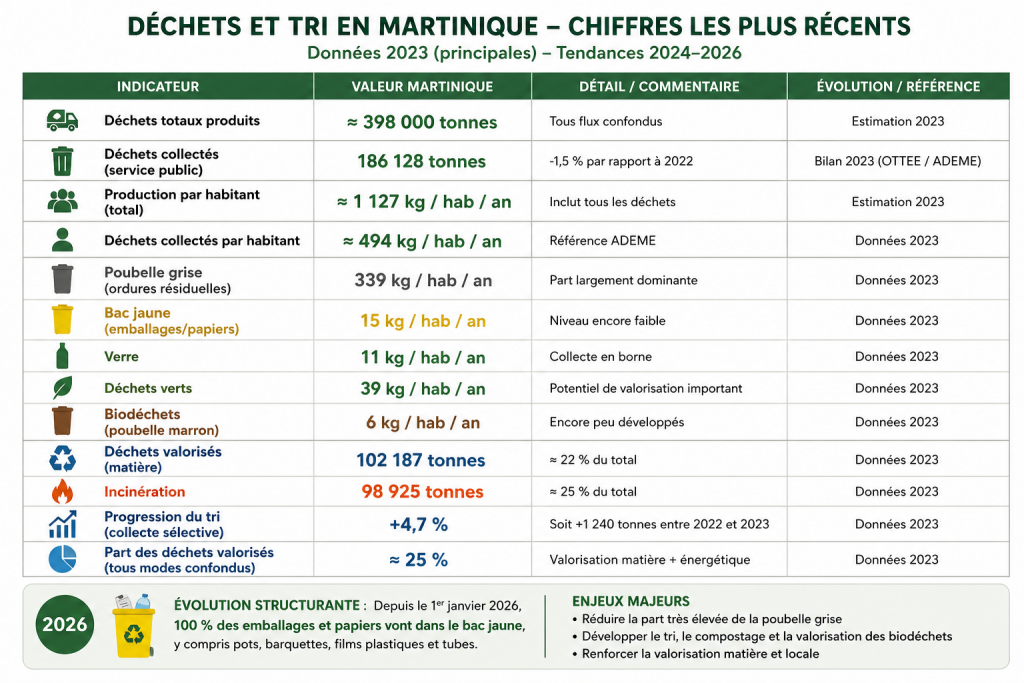
Momentum has been built, but it remains fragile. The volume of unsorted waste remains high, and there is significant room for improvement. Success will depend on consistent action, education, and the ability to permanently embed these practices into daily life.
In other words, Martinique has laid the groundwork. The next step is to build on this success by ensuring that sorting, reusing, and reducing waste are no longer one-off efforts, but rather sustainable habits practiced throughout the entire territory.
Philippe Pied
Frequently Asked Questions
What can be put in the yellow bin in Martinique in 2026?
As of January 1, 2026, the yellow bin accepts all packaging and paper, without exception, as part of the new standardization initiative led by CITEO Outremer.
Is there an app to help you sort your trash properly?
Yes, the app OTRI helps you determine the proper sorting guidelines for each type of waste, taking into account the rules applicable in Martinique.
How can you compost your food waste in Martinique?
Individual and community composting is on the rise, particularly through the «Tous au Compost!» campaign, and it is becoming an increasingly influential force in the region.
Where can you donate or have your items repaired instead of throwing them away?
Upcycling shops, repair cafés, and “repair breakfasts,” as well as local garage sales, help extend the life of objects in line with a zero-waste philosophy.
How can I participate in a trash cleanup?
Many organizations, such as SEME, as well as the Pays Propre and Kay Pwop initiatives, regularly organize cleanup events open to all residents.
What should you do with specific types of waste, such as pesticides or an old boat?
Specialized collection programs are organized for agricultural waste, and specific channels exist for recycling end-of-life boats.